May 11, 2026
The landscape of modern medicine is constantly shifting to reflect a deeper understanding of human longevity and quality of life. Among the most significant shifts in recent years is the renewed interest and widespread adoption of treatments designed to balance the body's chemical messengers. For decades, the conversation surrounding hormonal health was often hushed or fraught with clinical apprehension. However, a new era has dawned where patients and providers alike are prioritizing proactive wellness over reactive treatment. This shift is not merely a trend but a fundamental change in how society views aging, vitality, and the biological transitions that define the human experience.
The surge in interest is driven by a combination of factors, including more sophisticated diagnostic tools, a broader range of delivery methods, and a cultural movement toward personalized healthcare. As people live longer and stay active well into their later years, the demand for interventions that preserve energy, mental clarity, and physical strength has skyrocketed. This evolution has moved hormonal treatments from the fringes of specialized medicine into the mainstream of primary and integrative care.
According to Epic research, hormone replacement therapy prescribing rose 72% between 2021 and 2025. This staggering increase highlights a pivot in clinical practice and a growing comfort level among the general public regarding these interventions. As more individuals seek to mitigate the symptoms of natural hormonal decline, the medical community has responded with more nuanced and data-driven approaches to care. In this article, we will explore the historical context of these treatments, the reasons behind their recent surge in popularity, and the diverse ways they are being utilized to enhance the lives of men and women today.
The Evolution of Clinical Perceptions
The history of medical interventions for hormonal balance has been a rollercoaster of acclaim and caution. In the mid-twentieth century, early versions of these treatments were hailed as a fountain of youth for women reaching midlife. However, this early enthusiasm was tempered by later studies that raised concerns about potential long-term risks. For several years, these findings led to a significant decline in prescriptions as both doctors and patients became wary of the potential side effects associated with synthetic hormones.
In recent years, the medical community has revisited this data with a more critical and refined eye. Modern researchers have identified that the timing of the intervention, the specific type of hormones used, and the method of delivery, such as transdermal patches or gels versus oral tablets, play a massive role in the safety profile of the treatment. This reevaluation has allowed hormone replacement therapy to regain its status as a vital tool in the medical arsenal, provided it is administered with precision and individualized monitoring.
The Role of Advanced Diagnostics
One of the primary drivers behind the rise of these treatments is the accessibility of advanced diagnostic testing. In the past, many patients were treated based on a broad set of symptoms, which often led to a one-size-fits-all approach. Today, blood, saliva, and urine testing have become much more sophisticated, allowing clinicians to map out a patient's unique hormonal fluctuations with incredible detail. This data-driven approach ensures that the treatment is tailored to the specific deficiencies of the individual.
With these tools, doctors can identify subtle imbalances that might have been overlooked in previous generations. Instead of waiting for a total cessation of natural hormone production, providers can now intervene during the early stages of decline. This proactive use of hormone replacement therapy helps patients maintain a consistent baseline of health, preventing the dramatic crashes in energy and mood that often accompany the transition into menopause or andropause.
The Cultural Shift Toward Longevity
Society is currently obsessed with the concept of healthspan, which refers to the period of life spent in good health rather than just the total number of years lived. Modern professionals and active seniors are no longer willing to accept a decline in cognitive function or physical stamina as an inevitable part of getting older. This cultural shift has fueled the rise of integrative and functional medicine practices that focus on optimizing the body's internal environment.
Hormones are the master regulators of almost every system in the body, from metabolism and bone density to mood and cardiovascular health. When these levels drop, the impact is felt across every facet of life. By utilizing hormone replacement therapy, individuals are finding they can maintain their professional edge, stay physically active in competitive sports, and enjoy a higher quality of life in their relationships. The goal is no longer just to survive aging but to thrive throughout it.
The Diversification of Delivery Methods
Another reason for the increased adoption of these treatments is the sheer variety of ways they can now be administered. In the early days, options were limited and often inconvenient. Today, patients can choose from a range of delivery systems that fit their lifestyle and preferences. These include slow-release pellets placed under the skin, topical creams and gels, transdermal patches, and even highly targeted injections.
These diverse methods allow for more stable hormone levels throughout the day and night. For example, patches and gels provide a steady release that mimics the body's natural rhythm more closely than traditional oral medications. This consistency reduces the likelihood of the emotional and physical peaks and valleys that were common with older forms of hormone replacement therapy. The ease of use has made these treatments much more appealing to a broader demographic of patients.
The Impact on Women in Midlife
For women, the transition through perimenopause and menopause has historically been a period of significant disruption. Symptoms such as hot flashes, night sweats, and severe sleep disturbances can derail a woman's career and personal life. The rise in hormonal treatments has provided a lifeline for millions of women who previously felt they had to suffer in silence. Modern protocols focus on using bioidentical hormones, which are chemically identical to those produced by the human body, to provide relief.
Beyond just symptom management, these treatments are being used to protect long-term health. Hormonal decline in women is linked to a higher risk of osteoporosis and heart disease. By maintaining optimal estrogen levels through hormone replacement therapy, women can support their bone mineral density and cardiovascular health. This shift from short-term relief to long-term prevention is a hallmark of the current rise in prescribing.
The Growing Recognition of Men's Health
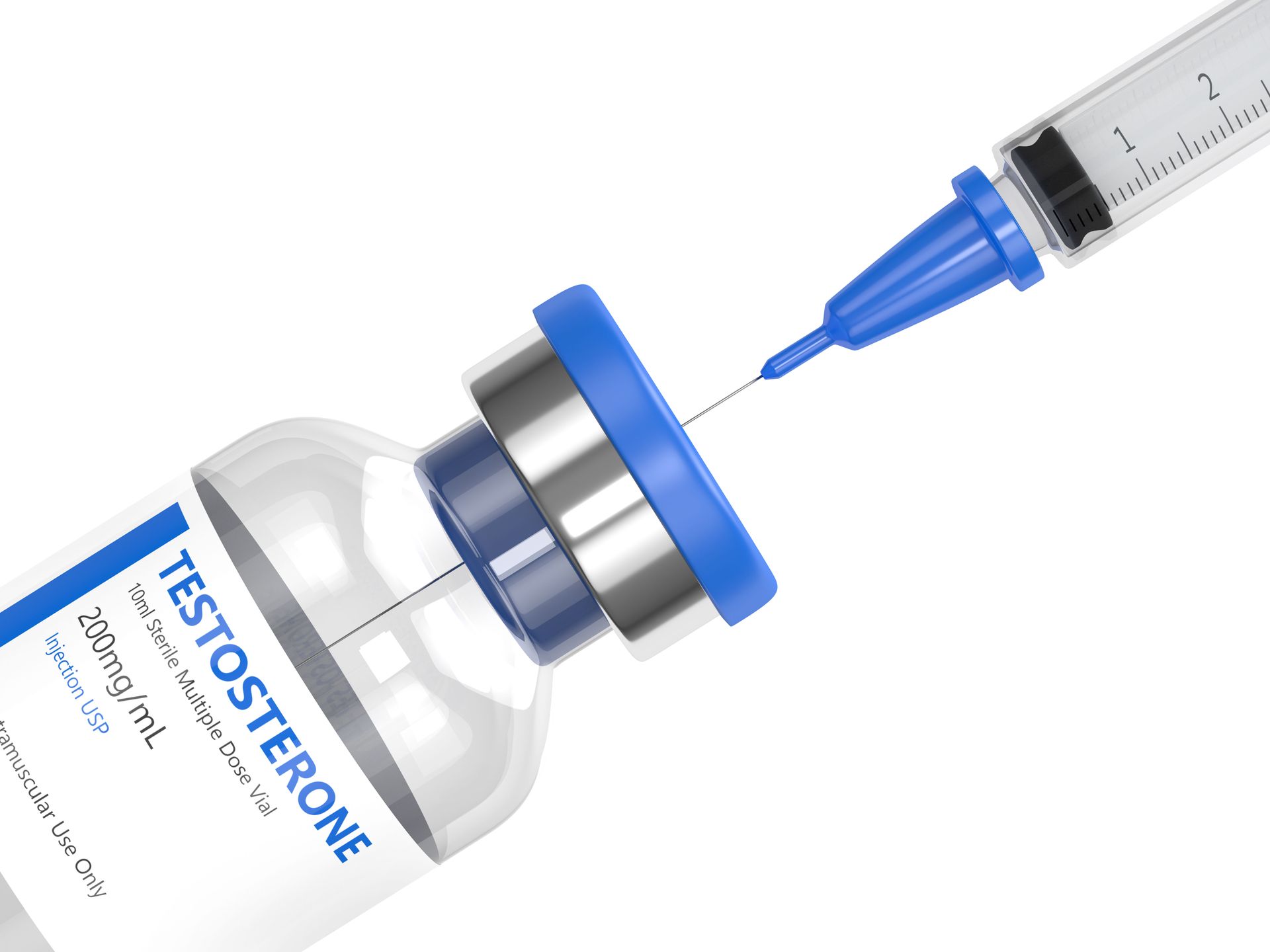
While the conversation used to be dominated by women's health, there is a growing awareness of how hormonal decline affects men. Often referred to as andropause or low testosterone, this condition can lead to fatigue, loss of muscle mass, increased body fat, and decreased cognitive focus. Men are increasingly seeking medical help to address these issues, realizing that a decline in testosterone is a biological reality that can be safely managed.
The medical community has become much more adept at identifying and treating these issues in men. By restoring testosterone to optimal levels, men often report a significant improvement in their motivation, physical strength, and overall sense of well-being. This expansion into men's health has significantly contributed to the 72% rise in prescribing reported by Epic research, as half of the population is now being invited into the conversation about hormonal optimization.
Are you ready to reclaim your vitality and take control of your health journey? Contact Evergreen Adult Medicine today to discuss how a personalized wellness plan can help you feel your absolute best.